1. Introduction of Digital Afterlife Planning 2026: The Urgent Reality of Our Digital Existence
In 2026, we spend more time in the digital world than in the physical one. We create thousands of photos, thousands of social media posts, and store our life savings in digital ledgers. But have you ever paused to ask: What happens to all of this when I am gone?
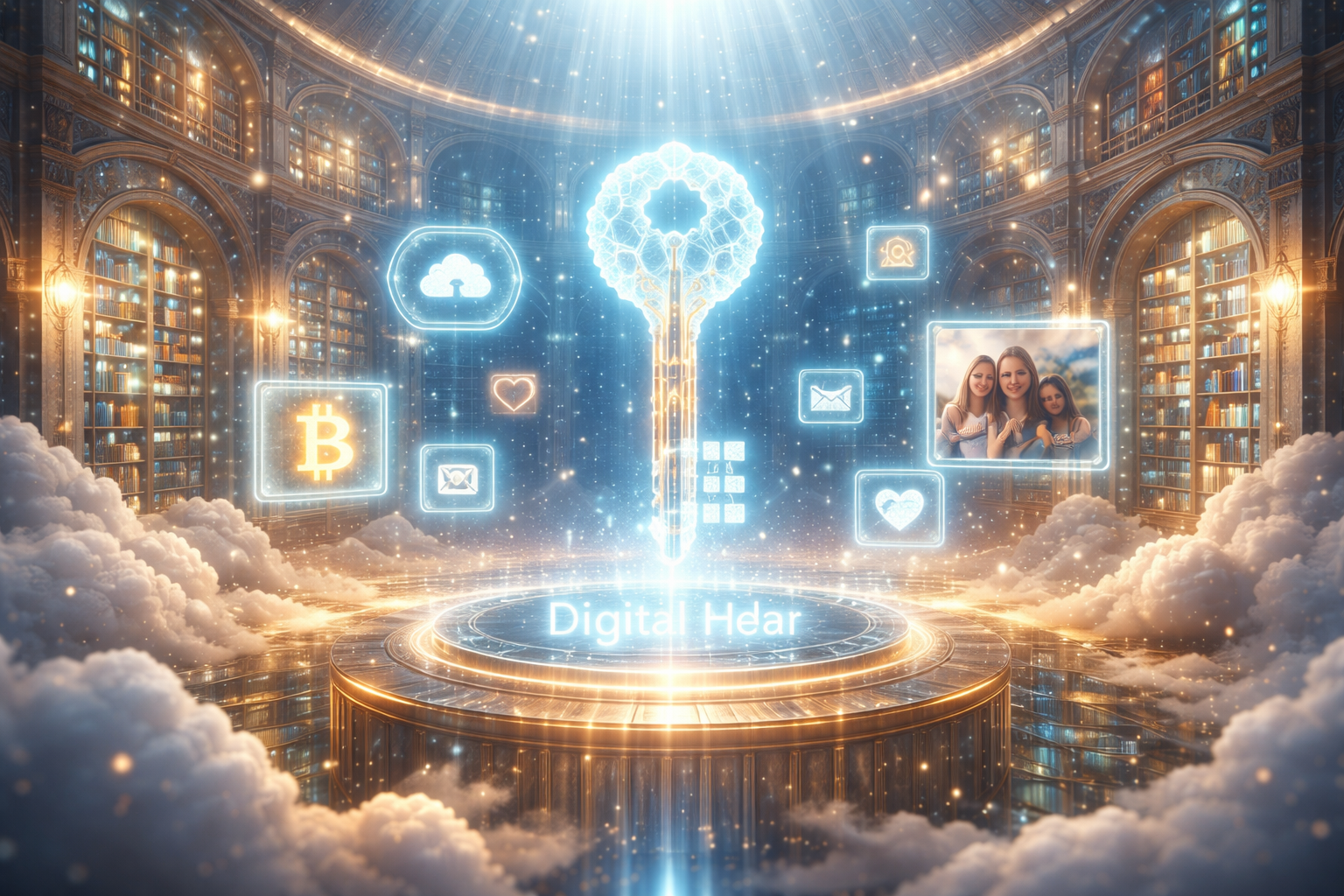
Every year, millions of social media accounts belong to people who are no longer with us. Billions of dollars in Bitcoin are “lost” forever because the private keys went to the grave with their owners. Digital Afterlife Planning 2026 is no longer a niche concept; it is a fundamental pillar of modern life. It is the bridge between your digital present and your family’s future.
The Night Cricket Changed Forever: A Complete Guide to IPL History Firsts 2008
2. What is Digital Afterlife Planning 2026?
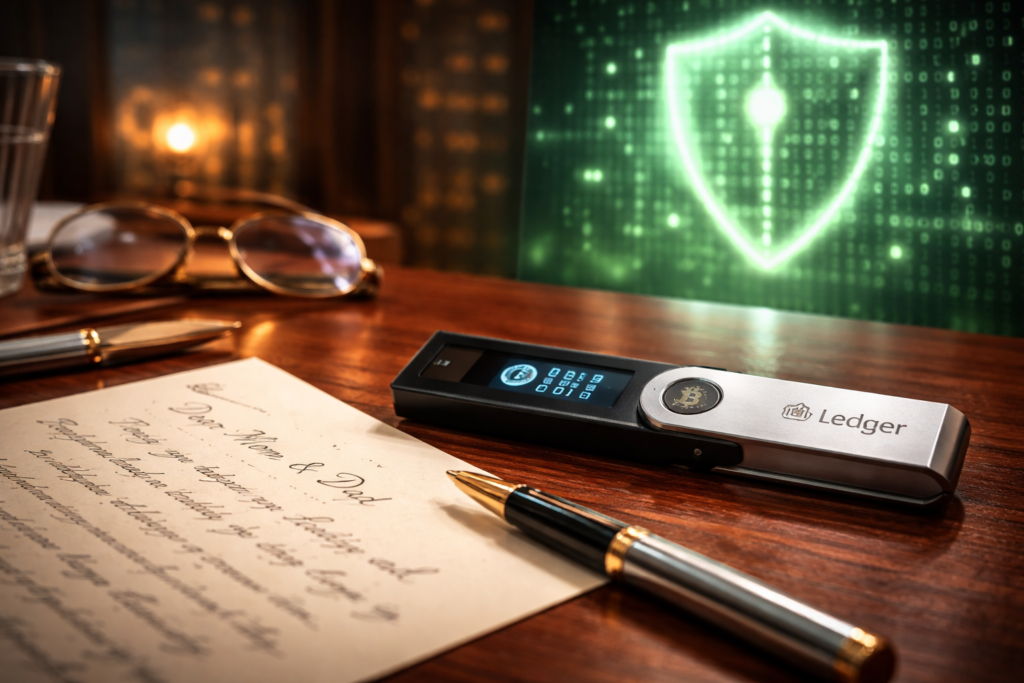
Digital Afterlife Planning 2026 is the comprehensive process of organizing, securing, and assigning access to your digital footprint after your death. Unlike a traditional will, which deals with physical land or jewelry, a digital plan deals with intangible but high-value assets.
In 2026, this includes everything from your Instagram “Legacy Contact” to your AI-driven email auto-responders that notify your loved ones after 30 days of inactivity. It is about control, privacy, and the ethical transfer of data.
3. The Digital Asset Inventory: What Are You Leaving Behind?
Before you can plan, you must audit. Most people underestimate the size of their digital estate.
-
Financial Assets: Crypto wallets, PayPal balances, online bank accounts, and digital subscriptions.
-
Social Assets: Facebook, X, Instagram, LinkedIn, and gaming accounts like Steam or Roblox.
-
Personal Memories: iCloud, Google Photos, Dropbox, and private blogs.
-
Professional Identity: Domain names, professional websites, and email addresses.
4. Crypto and Financial Assets: The 50-Year Security Plan
This is the most critical part of Digital Afterlife Planning 2026. Crypto is decentralized, meaning there is no “Forgot Password” button.
-
The Problem: If you die with your seed phrase in your head, that wealth is gone forever.
-
The 50-Year Solution: Use a combination of hardware wallets and “Social Recovery” protocols.
-
Smart Contracts: In 2026, we use blockchain-based “Dead Man’s Switches.” If you don’t log in for six months, the smart contract automatically releases the encrypted keys to your designated heir.
5. Social Media Memorialization: Managing Your Digital Ghost
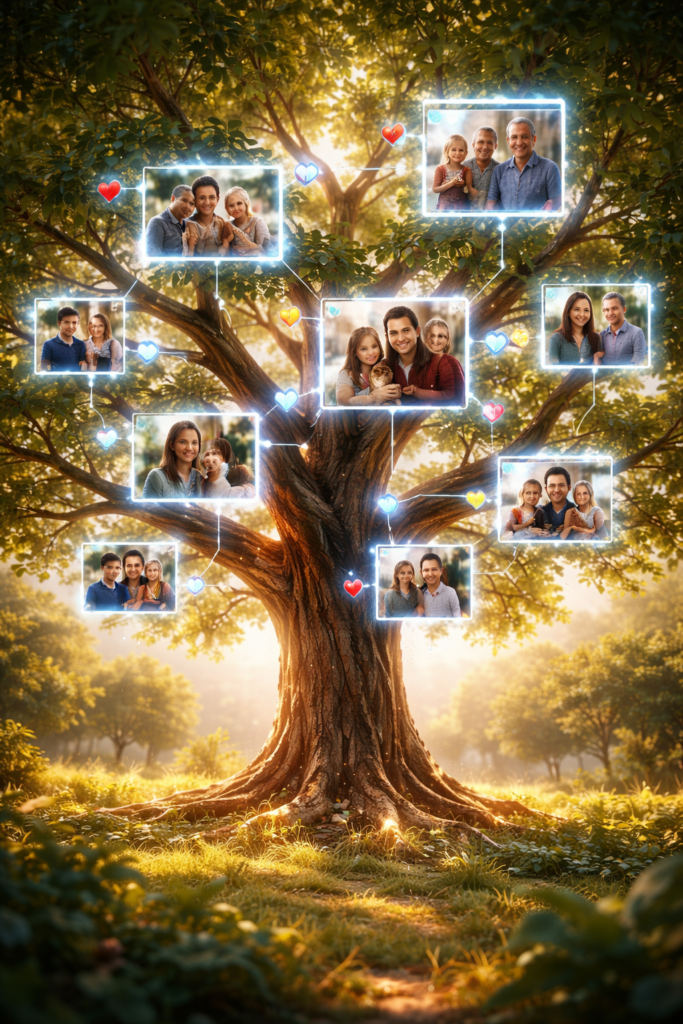
What happens to your “Digital Ghost”? Each platform in 2026 has different rules.
-
Meta (Facebook/Instagram): You can appoint a ‘Legacy Contact’ who can manage your memorialized profile but cannot read your messages.
-
Google: Use the ‘Inactive Account Manager’ to decide if your data should be deleted or shared with a trusted contact after a period of inactivity.
-
The Ethical Angle: Is it right for your profile to stay online forever? Digital Afterlife Planning 2026 encourages people to decide on “Digital Deletion” to protect their post-mortem privacy.
6. The Legal Landscape: Digital Wills and Global Laws in 2026
In 2026, the law is finally catching up. In the EU, the ‘Right to be Forgotten’ now extends to heirs. In the US, the RUFADAA (Revised Uniform Fiduciary Access to Digital Assets Act) gives legal executors power over online accounts.
-
Crucial Tip: A physical will should mention the existence of a digital vault, but it should never contain the actual passwords.
Global Digital Asset Law Database 2026
7. Ethical Dilemmas: Resurrection AI and Post-mortem Privacy
One of the most trending topics in Digital Afterlife Planning 2026 is “Resurrection AI.” Using your voice recordings and social media data, AI can now create a chatbot that sounds and thinks like you.
-
The Ethics: Is it healthy for your children to talk to a “digital version” of you?
-
Your Plan: You must state in your digital legacy document whether you consent to being “re-animated” by AI.
8. Step-by-Step Guide: Setting Up Your Digital Inheritance
-
Inventory Everything: List every account you have.
-
Use a Password Manager: Tools like 1Password or Bitwarden have “Emergency Access” features.
-
Appoint Legacy Contacts: Go through your Google, Apple, and Facebook settings today.
-
Hardware Backup: Keep your most precious photos on an M-DISC (which lasts 1000 years).
-
Talk to Your Heirs: Ensure they know where the physical keys are.
9. Security Protocols: Passwords, Vaults, and Biometrics
Security is the biggest challenge in Digital Afterlife Planning 2026.
-
The Vault: Use an encrypted digital vault.
-
Biometrics: While great for now, biometrics won’t work once you are gone. Always have a “Master Password” or a physical key stored in a safe-deposit box.
10. The Role of Blockchain in Automated Inheritance
Blockchain is the future of Digital Afterlife Planning 2026. By using “Time-locked Transactions,” you can ensure that your digital assets are transferred seamlessly without the need for a lawyer or a middleman. This ensures transparency and prevents family disputes.
11. Legacy Ethics: What Should We Delete?
Not everything is meant to be shared. Part of Digital Afterlife Planning 2026 is identifying what should be deleted to protect your reputation or your family’s feelings. This “Digital Scrubbing” is a vital part of ethical legacy management.
12. Conclusion: Peace of Mind in a Digital World
The digital world is beautiful, but it is also fragile. Digital Afterlife Planning 2026 is the ultimate act of love for your family. It prevents them from having to fight tech giants or deal with lost memories during their time of grief.
By taking these steps today, you are ensuring that your digital footprint doesn’t become a digital mess, but a lasting, meaningful legacy.