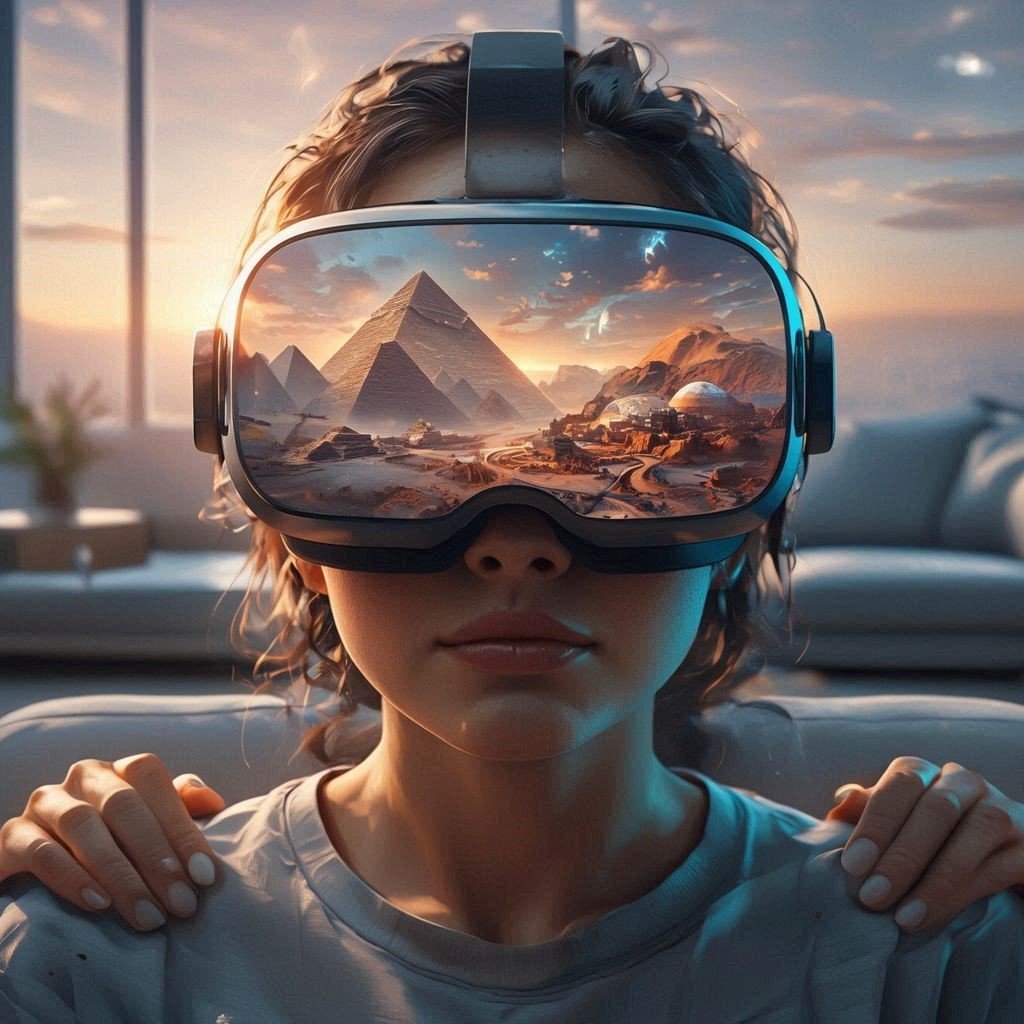
As we move through the first quarter of 2026, the travel industry is witnessing its most significant transformation since the invention of the commercial jet. The “Trending News” dominating global headlines is the explosion of Virtual Reality Tourism Trends 2026. While physical travel has returned to pre-pandemic levels, a new segment of “Digital Travelers” has emerged, choosing to explore the most remote corners of the Earth—and even outer space—from the comfort of their living rooms.
This isn’t just about watching a 360-degree video on YouTube. The Virtual Reality Tourism Trends 2026 we are seeing today involve full sensory immersion, haptic feedback, and AI-driven environments that are indistinguishable from reality. In this guide, we explore why VR tourism is the fastest-growing trend in 2026 and list the top 10 virtual destinations you must visit this year.
1. What is Virtual Reality Tourism Trends 2026?
To understand the current Virtual Reality Tourism Trends 2026, we must look at the technology behind it. VR tourism is the use of immersive technology to simulate a travel experience. Unlike traditional photos or videos, VR places the user inside the destination.
In 2026, the focus has shifted from “visuals only” to “multi-sensory” experiences. Modern Virtual Reality Tourism Trends 2026 now incorporate scent-emitting devices (Olfactory VR) and haptic suits that allow you to feel the wind of the Swiss Alps or the humidity of the Amazon rainforest. This level of realism is what has turned “virtual travel” from a gimmick into a multi-billion dollar industry.
2. Why Virtual Reality Tourism Trends 2026 are Going Viral
There are three main drivers behind the viral nature of Virtual Reality Tourism Trends 2026:
-
Accessibility: Many people cannot travel physically due to health issues, age, or financial constraints. VR tourism democratizes exploration.
-
Sustainability: With “Overtourism” becoming a crisis in cities like Venice and Kyoto, Virtual Reality Tourism Trends 2026 offer an eco-friendly alternative that leaves zero carbon footprint.
-
Space Exploration: Since physical space tourism costs millions, VR is the only way for 99% of the population to experience a walk on the Moon or a visit to the International Space Station.
3. Top 10 Virtual Destinations of 2026
If you are looking to jump into Virtual Reality Tourism Trends 2026, these are the top 10 experiences currently trending:
-
Mars Colony Alpha: A scientifically accurate simulation of a future Martian base.
-
The Titanic Wreckage: A high-definition, deep-sea dive to the resting place of the Titanic.
-
Ancient Rome (44 BC): Time-travel tourism is a huge part of Virtual Reality Tourism Trends 2026, allowing you to walk through Rome at its peak.
-
The Great Barrier Reef (Restored): A VR experience showing the reef in its full, healthy glory, used for both education and relaxation.
-
Mount Everest Summit: Experience the thin air and the terrifying “Death Zone” without any physical risk.
-
The Louvre Museum (Private Tour): No crowds, no glass barriers—just you and the Mona Lisa.
-
Kyoto Cherry Blossom Festival: Perfect for those who want the beauty of Japan without the tourist crowds.
-
Antarctica Ice Caves: Explore hidden blue ice caves that are too dangerous for regular tourists.
-
The Aurora Borealis over Iceland: A 24/7 view of the Northern Lights, guaranteed regardless of weather.
-
Futuristic Dubai 2050: A speculative look at what Dubai might look like 25 years from now.
4. Hardware Innovations Driving Virtual Reality Tourism Trends 2026
You cannot discuss Virtual Reality Tourism Trends 2026 without mentioning the hardware. The bulky headsets of 2020 are gone. Today’s VR glasses are as light as a pair of Ray-Bans.
-
Wireless 6G Integration: As we discussed in our [Internal Link: 6G Technology news], the low latency of 6G allows for seamless, stutter-free 16K resolution travel.
-
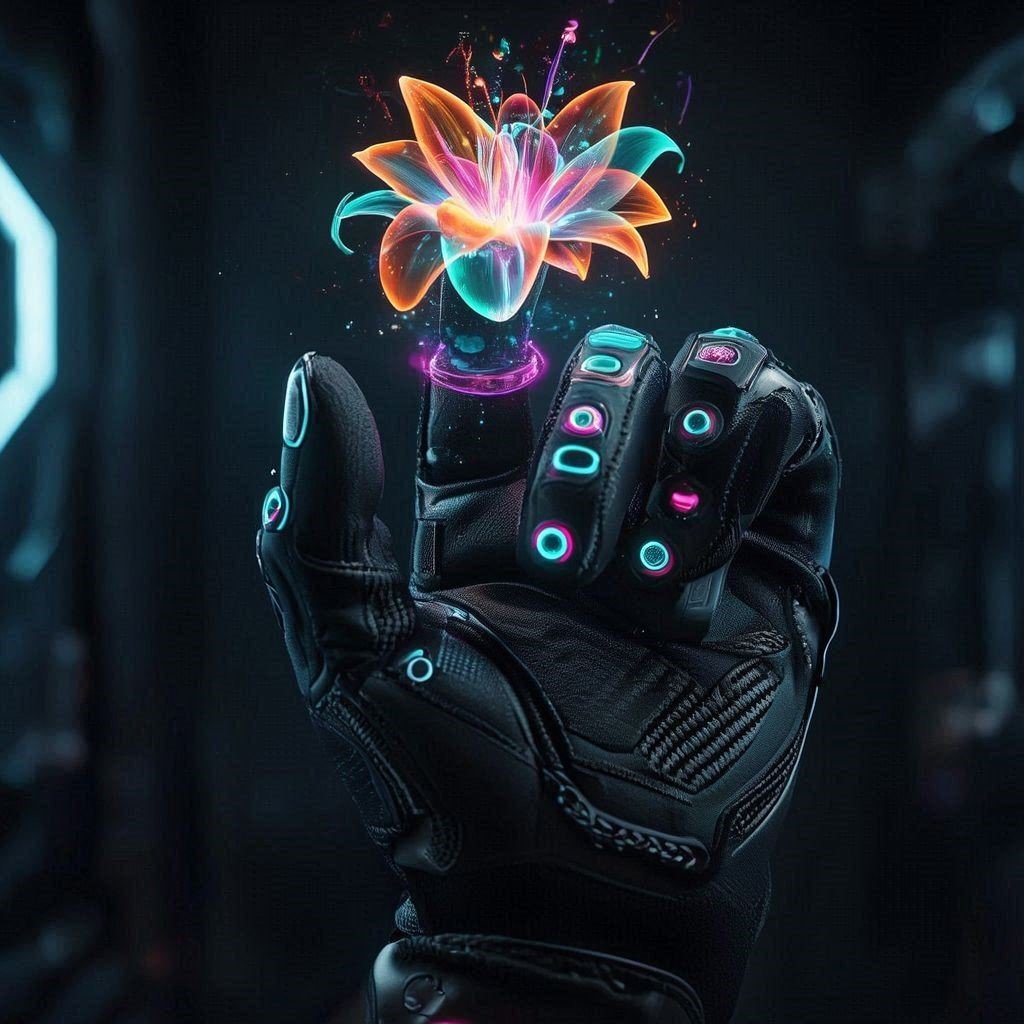
Haptic Skin: Thin, wearable suits that stimulate nerve endings, allowing you to “feel” the textures of the world as part of the Virtual Reality Tourism Trends 2026.
-
Treadmill Floors: Omnidirectional treadmills that allow you to actually walk through a virtual Paris or New York.
5. Economic Impact of Virtual Reality Tourism Trends 2026
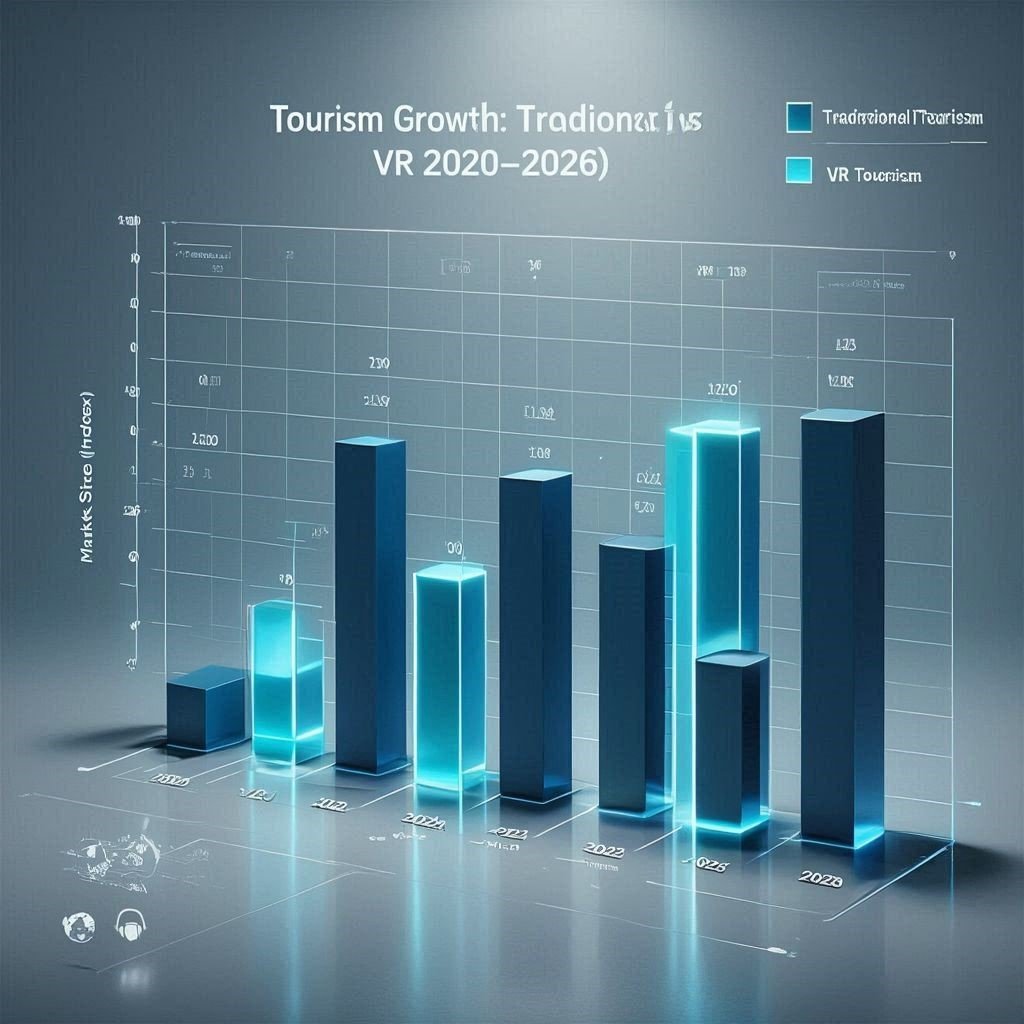
The economics of Virtual Reality Tourism Trends 2026 are fascinating. Traditional travel agencies are now transforming into “Digital Experience Providers.”
Instead of selling flight tickets, they sell “Experience Passes.” This has created a new job market for “Virtual Tour Guides”—real people who join you in the VR world to explain the history of a site in real-time. Virtual Reality Tourism Trends 2026 are proving that the digital economy is just as robust as the physical one.
6. The Psychological Benefits of VR Travel
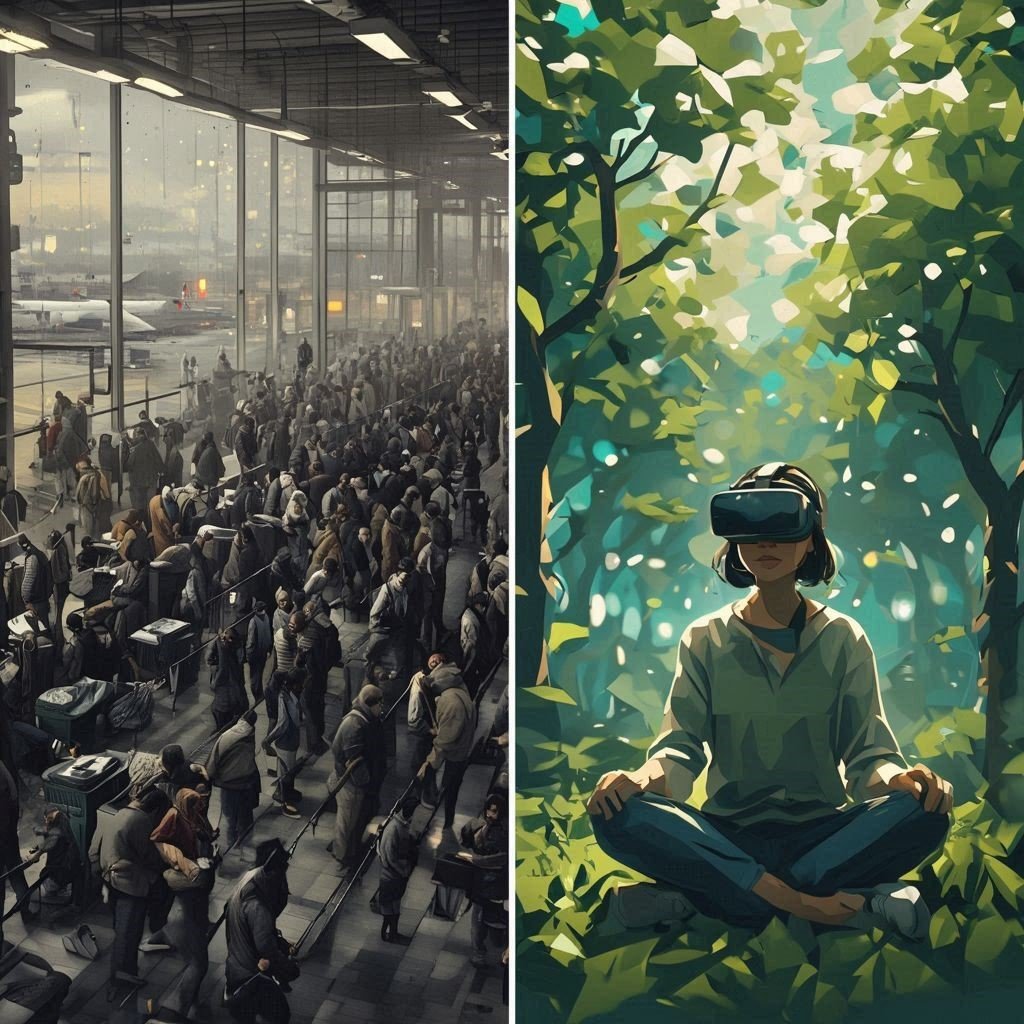
One of the most heartwarming aspects of Virtual Reality Tourism Trends 2026 is its use in mental health. “VR Escapism” is being used to treat anxiety, depression, and PTSD.
Patients who are bedbound can use Virtual Reality Tourism Trends 2026 to “visit” the ocean or sit in a peaceful forest. This therapeutic application is one of the most significant reasons why the government is investing heavily in VR infrastructure this year.
7. Environmental Sustainability: The Green Side of VR
Climate change is a primary driver for Virtual Reality Tourism Trends 2026. With aviation fuel taxes rising, VR offers a guilt-free way to “see the world.”
A virtual trip to the Maldives consumes 99% less energy than a physical flight. In 2026, many corporations are choosing Virtual Reality Tourism Trends 2026 for their annual retreats, significantly lowering their corporate carbon footprint.
8. Challenges and Ethical Considerations
Despite the excitement, Virtual Reality Tourism Trends 2026 face challenges.
-
Data Privacy: What happens when a VR company tracks your eye movements and emotional reactions to a destination?
-
Digital Addiction: There is a concern that people might prefer the “perfect” virtual world over the messy, real one.
-
Cultural Exploitation: Ensuring that local communities benefit from the digital recreation of their heritage sites is a major part of the Virtual Reality Tourism Trends 2026 legal framework.
See our Sport News section to find out IPL 2026 Live Score Predictions: 10 Best Winning Tips and Team Analysis
9. The Role of AI in Virtual Reality Tourism Trends 2026
Artificial Intelligence is the “engine” of Virtual Reality Tourism Trends 2026. AI generates the NPCs (Non-Player Characters) you meet in virtual Rome or London. These characters can have full conversations with you, acting as local historians or shopkeepers.
AI also optimizes the environment based on your preferences. If you like quiet places, the AI behind the Virtual Reality Tourism Trends 2026 will adjust the simulation to ensure your virtual Paris is peaceful and serene.
Read the National Geographic report on how VR is helping preserve endangered historical sites.
10. Conclusion: The Future of Exploration
The Virtual Reality Tourism Trends 2026 we see today are only the beginning. As technology continues to evolve, the line between “being there” and “virtually being there” will completely vanish. We are entering an era where your physical location no longer limits your experiences.
At TeaTV, we will continue to bring you the Trending News on how technology is reshaping our lives. Whether you are a physical traveler or a digital explorer, the world—and the universe—is now open to you. Embrace the Virtual Reality Tourism Trends 2026 and start your next adventure today!